Oriental Lily Embroidery Design Review
As an experienced designer and embroidery product reviewer, I’ve tested countless machine embroidery designs for everything from custom apparel to boutique branding. The “Oriental Lily” from Maison Gregoria caught my attention with its elegant 3D SVG structure and paper flower inspiration. Here’s how it holds up in real-world embroidery projects.
A First Glance at Oriental Lily
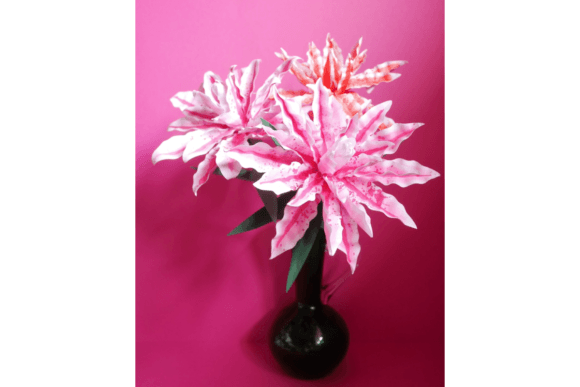
The moment I opened the digital embroidery file for Oriental Lily, I was struck by its refined silhouette and graceful curves. This design feels like a breath of fresh air—soft, flowing, and full of character. It carries a sense of sophistication that would fit beautifully on luxury items or high-end handmade products.
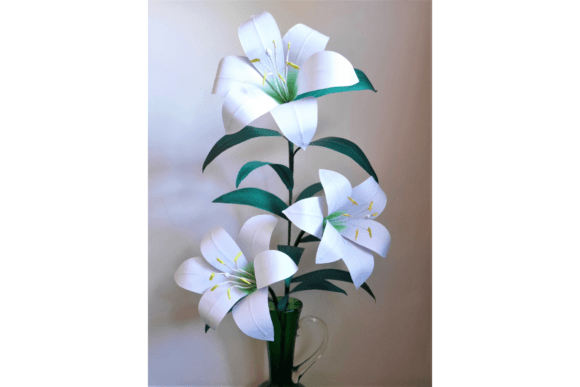
The shape is unmistakably lily-like, with delicate petals that suggest handcrafted artistry. It has a visual personality that leans toward elegance and subtlety, making it ideal for projects where understated beauty is key. I can already imagine this design as a focal point on a custom tote bag or as a subtle accent on a baby onesie.
How Oriental Lily Performs in Real Projects
When considering how this design might perform in various embroidery applications, I think about how it interacts with fabric texture, stitch density, and overall presentation. Oriental Lily is a versatile applique design that works well across multiple surfaces and garment types.
On a sweatshirt or t-shirt, the design adds a touch of floral sophistication without overwhelming the garment. On a tote bag, it could serve as a statement piece, especially when paired with complementary thread colors. For baby clothes, the softness of the design makes it a safe and appealing choice for personalized gifts.
In commercial embroidery settings, this design could be used to elevate small shop products, such as aprons, pillow covers, or kitchen towels. Its clean lines and structured form make it suitable for both casual and formal wear, which expands its potential use cases significantly.
Where to Use Oriental Lily with Caution
While Oriental Lily is adaptable, there are certain situations where extra care should be taken. Small hoop sizes may not capture the full detail of the design, so I recommend checking the recommended hoop size before starting your project.
Textured fabrics or stretchy materials could affect the final look, especially if the design includes intricate details. Dark fabric backgrounds might require careful selection of thread colors to ensure visibility and clarity. If using this design on layered garments or curved surfaces like caps, testing it on scrap fabric first is essential.
Dense stitch areas and decorative accents also need attention. The stitch density of Oriental Lily is moderate, but it can vary depending on the fabric and stabilizer used. Always review the stitch density and adjust accordingly to maintain the integrity of the design.
Visual Appeal and Practical Value
One of the strengths of Oriental Lily is its ability to enhance the visual appeal of any finished product. Whether used as a standalone piece or part of a larger design, it adds a level of professionalism and craftsmanship that customers will notice.
This design can significantly boost the value of handmade products, especially for Etsy sellers or craft business owners looking to stand out in a competitive market. Its elegant aesthetic helps build customer trust and reinforces brand consistency, making it a valuable asset for any creative entrepreneur.
For gift-giving scenarios, Oriental Lily brings a sense of thoughtfulness and personalization that elevates the experience. It’s particularly effective in holiday embroidery or wedding gift projects, where the right design can make all the difference.
Design Notes for Embroidery Professionals
If you're planning to use Oriental Lily in your embroidery work, here are a few practical tips:
- Test the design on scrap fabric first to see how it stitches and looks in different thread colors.
- Check thread color contrast against your chosen fabric to ensure visibility and clarity.
- Review stitch density and adjust if needed for optimal results.
- Confirm hoop size to ensure the entire design fits comfortably without distortion.
- Inspect small details closely, especially if using the design on smaller items like patches or caps.
- Test it in black and white mockups to understand how it will translate on different fabric backgrounds.
- Compare light and dark fabric backgrounds to determine the best thread color options.
- Use proper stabilizer to prevent shifting or puckering, especially on thin or stretchy fabrics.
- Check whether the design works for both personal and commercial projects, and confirm licensing before selling finished items or digital products.
Oriental Lily is more than just a pretty design—it's a thoughtful addition to any embroidery project that demands elegance and refinement. Whether you're creating custom apparel, boutique merchandise, or handmade gifts, this design offers a unique way to bring a touch of natural beauty into your work.
Remember, no matter how beautiful a design is, the final result depends on execution. Take the time to test, tweak, and perfect your approach, and Oriental Lily will shine in every finished product.